

Dendrobium, a revered herb deeply rooted in traditional Chinese medicine (TCM), has captured the attention of health enthusiasts worldwide.
As more people seek natural remedies and nutritional supplements, two common questions arise: What are the best ways to consume dendrobium? and What are the Effect and Function of dendrobium? This article delves into the diverse consumption methods of dendrobium and explores the remarkable health benefits it offers.
The Best Ways to Consume Dendrobium
1. Dendrobium Tea
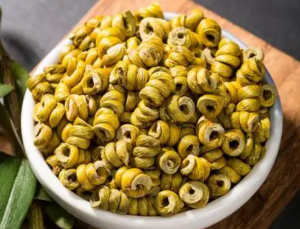
One of the most popular and straightforward ways to enjoy dendrobium is by brewing it into tea. Simply take a few pieces of dried dendrobium stems, rinse them, and add them to a teapot.
Pour in boiling water and let it steep for 10 – 15 minutes. The resulting tea has a mild, slightly sweet flavor.
You can enhance the taste and health benefits by combining dendrobium with other herbs like chrysanthemum for a cooling effect or ginseng for an energy boost. This method allows you to easily incorporate dendrobium into your daily routine, enjoying its benefits cup by cup.
2. Dendrobium in Soups and Stews
Dendrobium can also be a wonderful addition to soups and stews. When making a chicken soup, for example, add a handful of dendrobium pieces along with other ingredients.
As the soup simmers, the nutrients from the dendrobium gradually seep into the broth, infusing it with a rich, herbal aroma and potential health – promoting properties. Similarly, in vegetable stews or bone broths, dendrobium contributes to both the flavor and nutritional value, making the dish not only delicious but also beneficial for your well – being.
3. Dendrobium Powder and Capsules
For those seeking a more convenient and concentrated form, dendrobium powder and capsules are excellent options. Dendrobium powder can be mixed into smoothies, yogurt, or porridge, seamlessly blending into your regular diet. Capsules, on the other hand, offer a precise dosage and are easy to take on the go.
They are particularly suitable for individuals with busy lifestyles who want to ensure they are getting the benefits of dendrobium without the hassle of preparation.
The Health Benefits of Dendrobium
Nourishing Yin and Moisturizing
In TCM, dendrobium is renowned for its ability to nourish yin, which represents the body’s cooling and moistening aspects.
It helps counterbalance excessive “heat” in the body, alleviating symptoms such as dry mouth, parched throat, and irritated skin. By replenishing yin, dendrobium promotes overall body balance and comfort.
Boosting the Immune System
Dendrobium contains bioactive compounds like polysaccharides, alkaloids, and flavonoids, which are believed to enhance the immune system. These substances may stimulate the production of immune cells, helping the body better defend against infections and diseases.
Regular consumption of dendrobium can potentially strengthen your body’s natural defense mechanisms, keeping you healthy and resilient.
Supporting Digestive Health
The herbal properties of dendrobium can also contribute to digestive well – being. It may help soothe the digestive tract, promote healthy digestion, and relieve mild digestive discomforts such as bloating and indigestion.
By maintaining a healthy digestive system, dendrobium aids in the absorption of nutrients from food, ensuring your body gets the most out of what you eat.
Antioxidant and Anti – aging Effects
Dendrobium is rich in antioxidants, which play a crucial role in combating free radicals in the body. Free radicals are unstable molecules that can cause cellular damage and contribute to aging and various diseases.
The antioxidants in dendrobium help neutralize these free radicals, reducing oxidative stress and potentially slowing down the aging process. This can lead to improved skin health, reduced signs of aging, and enhanced overall vitality.
Frequently Asked Questions
Is dendrobium suitable for everyone? While dendrobium offers numerous health benefits, it may not be suitable for everyone.
Due to its slightly cold nature in TCM theory, individuals with a weak spleen and stomach, a cold constitution, or pregnant women should use dendrobium with caution. It’s always advisable to consult a healthcare provider or a TCM practitioner before incorporating dendrobium into your diet, especially if you have pre – existing health conditions or are taking medications.
How often should I consume dendrobium? The frequency of dendrobium consumption depends on your health goals and individual constitution.
For general health maintenance, consuming dendrobium 2 – 3 times a week is often recommended. However, if you are using it to address specific health concerns under the guidance of a professional, the dosage and frequency may vary. It’s important not to overconsume dendrobium, as excessive intake may lead to adverse effects.
Can dendrobium be combined with other herbs? Yes, dendrobium can be combined with many other herbs to enhance its effects or create different flavor profiles. For example, pairing it with wolfberries can boost its nourishing properties, while combining it with licorice can add a touch of sweetness and balance the taste.
But when combining herbs, it’s essential to understand their compatibility and potential interactions. If you’re unsure, consult a TCM expert for safe and effective herb combinations.
In conclusion, understanding the optimal consumption methods and health benefits of dendrobium allows you to make the most of this remarkable herb. Whether you choose to savor it as a tea, enjoy it in a soup, or opt for convenient capsules, dendrobium offers a natural way to support your well – being.
Have you ever tried dendrobium? Share your favorite consumption methods and experiences in the comments below!