

For many individuals trying to conceive or suspecting they might be pregnant, a positive pregnancy test can bring a whirlwind of emotions. But what does a positive pregnancy test truly mean? Is a positive pregnancy test an absolute confirmation of pregnancy? This article will explore these questions in – depth, providing clear and practical insights.
The Science Behind Pregnancy Tests
Pregnancy tests operate on the detection of human chorionic gonadotropin (hCG), a hormone that emerges shortly after a fertilized egg implants itself in the uterine lining. As the pregnancy progresses, hCG levels in the body experience a rapid increase.
There are two primary types of pregnancy tests: home urine tests and clinical blood tests. Home urine tests are convenient and widely accessible, while blood tests conducted in a medical setting offer a more precise measurement of hCG levels. When the test detects hCG above a specific threshold, it signals a positive result.
What a Positive Pregnancy Test Indicates
A positive pregnancy test is a strong signal that pregnancy has occurred. Once the fertilized egg successfully attaches to the uterine wall, the placenta begins to produce hCG, which then enters the bloodstream and is excreted in urine.
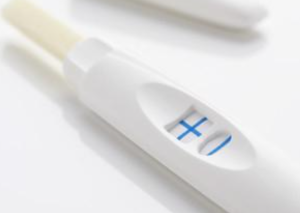
On a home pregnancy test, a positive result typically manifests as two lines, a plus sign, or a digital display reading “pregnant”. This indicates that the test has detected hCG levels consistent with pregnancy.
However, it’s crucial to understand that a positive test isn’t an infallible guarantee of pregnancy. In rare instances, false – positive results can occur.
Certain medications, especially fertility drugs containing hCG, can cause the test to register a positive reading. Additionally, medical conditions such as ovarian cysts or tumors that secrete hCG – like substances may also lead to a false – positive outcome.
Despite these exceptions, in most cases, a positive pregnancy test strongly suggests that a person is expecting.
Factors Influencing Positive Test Results
Several factors can impact the interpretation of a positive pregnancy test. The timing of the test plays a significant role. Testing too early may result in an inaccurate positive due to low hCG levels. It’s generally recommended to take a home pregnancy test after a missed period for the most reliable results.
Also, improper use of the test, such as not following the instructions precisely or using expired test kits, can affect the accuracy. Moreover, individual differences in hCG production rates mean that some people may show positive results earlier or with different hCG levels compared to others.
Frequently Asked Questions
Q: How soon can I trust a positive pregnancy test result?
A: The reliability of a positive pregnancy test depends on when it’s taken. Home pregnancy tests are most accurate when administered after a missed period. At this stage, hCG levels have usually risen sufficiently to be detected accurately.
Some highly sensitive tests claim to detect pregnancy a few days before a missed period, but testing this early increases the risk of false results. If you get a positive result before a missed period, it’s advisable to confirm with a healthcare provider, who may perform a more accurate blood test.
Q: Can a positive pregnancy test be wrong?
A: Although rare, positive pregnancy tests can be incorrect. False – positive results can occur due to factors like certain medications, medical conditions, or improper test use.
For example, medications used in fertility treatments that contain hCG can trigger a positive reading. Medical conditions that produce hCG – like substances, such as some tumors, may also lead to false positives. If you have concerns about the accuracy of a positive test, consult your doctor for further evaluation.
Q: What should I do after getting a positive pregnancy test?
A: After receiving a positive pregnancy test, the first step is to schedule an appointment with a healthcare provider. They can confirm the pregnancy through a blood test or physical examination and start you on prenatal care.
Prenatal care is essential for monitoring the health of both you and the baby, including regular check – ups, screenings, and guidance on nutrition and lifestyle during pregnancy.
Understanding positive pregnancy test results is the first step in a potentially life – changing journey. If you have personal experiences with positive pregnancy tests or additional questions, we encourage you to share them in the comments below. Your insights might help others on a similar path!