

In a world filled with diverse food choices, the concept of a balanced diet stands as a cornerstone of good health. But what exactly is a balanced diet, and how should one eat daily to achieve balance? Let’s delve into these questions to unlock the secrets of optimal nutrition.
Unveiling the Meaning of a Balanced Diet
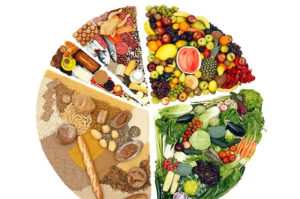
A balanced diet is one that provides all the necessary nutrients, vitamins, and minerals in the right proportions to support the body’s functions.
It’s not about strict calorie – counting or deprivation; rather, it emphasizes variety and moderation. Macronutrients—carbohydrates, proteins, and fats—form the main building blocks of a balanced diet.
Carbohydrates are the body’s primary energy source, proteins are essential for muscle repair and growth, and fats play crucial roles in hormone production and nutrient absorption.
Alongside macronutrients, micronutrients like vitamins and minerals, obtained from fruits, vegetables, and other foods, are equally vital for overall well – being. For instance, vitamin C from citrus fruits helps boost the immune system, while calcium from dairy products supports bone health.
Daily Eating for a Balanced Diet
Breakfast: A Nutrient – Rich Start
Kickstart your day with a breakfast that combines different food groups. A bowl of oatmeal topped with fresh berries, a sprinkle of nuts, and a splash of milk is an excellent choice.
The oatmeal provides complex carbohydrates for sustained energy, berries offer antioxidants and vitamins, nuts add healthy fats and protein, and milk contributes calcium.
Another option could be whole – wheat toast with avocado and a poached egg. The whole – wheat toast provides fiber, avocado offers healthy monounsaturated fats, and the egg is a great source of high – quality protein.
Lunch: A Colorful and Filling Meal
For lunch, aim to fill half your plate with colorful vegetables. A salad with mixed greens, cherry tomatoes, cucumbers, carrots, and a lean protein source like grilled chicken or chickpeas is a great choice. Add a side of brown rice or quinoa for complex carbohydrates.
The variety of vegetables ensures a wide range of vitamins and minerals, while the lean protein supports muscle health, and the grains provide energy. You could also opt for a vegetable stir – fry with tofu or shrimp, served over whole – grain noodles.
Dinner: Light and Balanced
Keep your dinner light yet balanced. A baked salmon fillet, rich in omega – 3 fatty acids, paired with a large serving of roasted vegetables such as broccoli, cauliflower, and sweet potatoes, and a small portion of wild rice makes for a nutritious meal.
The omega – 3s in salmon support heart and brain health, the vegetables offer essential nutrients, and the wild rice provides fiber and complex carbs.
Another option is a lean beef or turkey burger on a whole – wheat bun, with a side of steamed green beans and a small salad.
Snacking Smartly
Don’t forget about snacks! Choose healthy options like Greek yogurt with a drizzle of honey and a handful of granola, an apple with almond butter, or a small serving of mixed nuts.
These snacks provide additional nutrients and keep you satisfied between meals without derailing your balanced diet.
Frequently Asked Questions
Q: Can I still enjoy my favorite junk food on a balanced diet?
A: Moderation is key. It’s okay to indulge in your favorite treats occasionally. The goal of a balanced diet is not to eliminate certain foods completely but to ensure that the majority of what you eat provides essential nutrients. Just make sure these treats don’t replace the nutritious foods that your body needs.
Q: Is a balanced diet the same for everyone?
A: While the core principles of a balanced diet remain the same, individual needs may vary. Factors such as age, gender, activity level, and any underlying health conditions can influence how much of each nutrient you require.
For example, athletes may need more protein to support muscle repair, while older adults might need more calcium and vitamin D for bone health.
Q: How can I make a balanced diet more affordable?
A: There are several ways. Buy fruits and vegetables in season when they are often cheaper. Opt for store – brand products instead of name – brand ones.
Purchase grains, beans, and lentils in bulk. Additionally, cooking at home is usually more cost – effective than eating out. You can also plan your meals in advance to avoid unnecessary food waste and make the most of your grocery budget.
In conclusion, understanding the essence of a balanced diet and implementing daily eating strategies is the key to maintaining good health.
Small, consistent changes in your eating habits can lead to significant long – term benefits. We’d love to hear from you! What are your favorite balanced meals? Share your tips and experiences in the comments below!