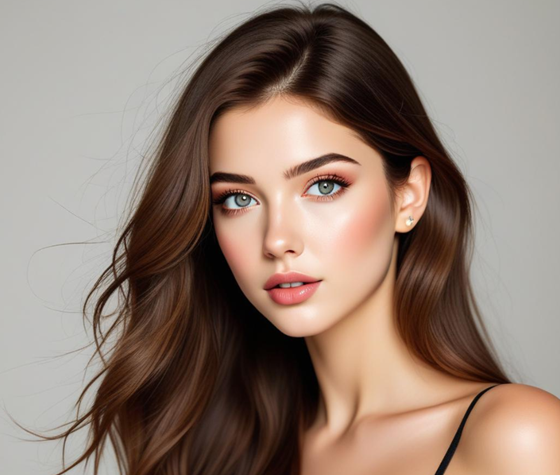

In the realm of physical appearance, the question of whether a slender face holds more appeal and what contributes to achieving such a look often piques people’s curiosity.
The perception of attractiveness varies across cultures and individuals, but the concept of a “slim face” has long been a topic of discussion in beauty and fashion circles. This article delves into the allure of a slender face and explores the key factors that can make a face appear leaner.
The Perception of Attractiveness and Slim Faces
The idea of a slender face being attractive is deeply rooted in many cultures. Historically, in some societies, a slim face was associated with elegance, grace, and femininity.
In modern media, from fashion magazines to movies, models and actors with slender facial features often dominate the spotlight, influencing societal beauty standards. This constant exposure has led many to believe that a slim face is more aesthetically pleasing.
However, attractiveness is subjective. Different cultures have diverse ideals of beauty. For example, in some African and Polynesian cultures, fuller faces are celebrated as a sign of health and prosperity.
Moreover, individual preferences play a significant role. Some people may find round or angular faces equally, if not more, attractive than slender ones. Nevertheless, the popularity of the “slim – face” aesthetic in mainstream media means that many individuals are interested in understanding how to achieve or enhance this look.
Factors That Contribute to a Slimmer – Looking Face
Genetics
Genetics is one of the most fundamental factors determining facial structure. Our genes dictate the shape and size of our bones, the amount of fat in our face, and the distribution of muscle.
Some people are simply born with a more slender facial bone structure, which gives their face a naturally lean appearance. Additionally, genetic factors can influence the rate of fat storage and metabolism in the face, making it easier or harder for an individual to maintain a slim face.
Diet and Nutrition
What we eat has a profound impact on our overall body composition, including our face. A diet high in processed foods, sugars, and unhealthy fats can lead to weight gain, which often shows up in the face as increased facial fat.
On the other hand, a balanced diet rich in fruits, vegetables, lean proteins, and whole grains can help control body weight and reduce facial puffiness. Adequate water intake is also crucial. Staying hydrated helps flush out toxins, reducing water retention that can make the face look bloated.
Lifestyle Habits
Regular exercise is not only beneficial for the body but also for the face. Cardiovascular exercises like running, cycling, or swimming help burn overall body fat, including facial fat. Facial exercises can also play a role. Exercises that target the facial muscles, such as cheek lifts, jaw clenches, and tongue stretches, can tone the muscles, giving the face a more defined and slimmer appearance over time.
Another important lifestyle factor is sleep. Lack of sleep can disrupt hormonal balance, leading to increased stress levels and potential weight gain.
A good night’s sleep, typically 7 – 9 hours for adults, helps regulate hormones, reduce stress, and support overall health, which in turn can contribute to a more slender – looking face.
Skincare and Makeup Techniques
Certain skincare practices can also enhance the appearance of a slim face. Using products that promote lymphatic drainage, such as facial massagers or specific serums, can reduce facial puffiness. Makeup is a powerful tool for creating the illusion of a slimmer face.
Contouring with darker – shaded makeup along the jawline, temples, and under the cheekbones, and highlighting the high points of the face, can give the face more definition and make it appear slimmer.

Frequently Asked Questions
Does losing weight always result in a slimmer face?
Losing weight generally helps reduce facial fat, but the extent to which the face becomes slimmer can vary from person to person. Genetics play a role in determining where the body loses fat first.
Some individuals may notice a significant reduction in facial fat when they lose weight, while others may see more changes in other parts of their body before the face starts to slim down.
Are there any quick – fix methods for getting a slimmer face?
While there are no truly instant solutions, some temporary methods can make the face appear slimmer. For example, applying a cold compress to the face can reduce puffiness by constricting blood vessels.
Makeup techniques like contouring can also create an immediate illusion of a slimmer face. However, for long – term results, a combination of healthy diet, exercise, and proper skincare is necessary.
Can stress affect the appearance of my face and make it look fuller?
Yes, stress can impact the face. When stressed, the body releases cortisol, a hormone that can lead to increased appetite and fat storage, especially around the abdomen and face.
Chronic stress can also disrupt sleep patterns and hormonal balance, contributing to weight gain and facial puffiness. Managing stress through relaxation techniques, exercise, and a healthy lifestyle is important for maintaining a healthy appearance.
The allure of a slender face is a complex topic influenced by various cultural, individual, and biological factors. Whether you’re interested in achieving a slimmer face for aesthetic reasons or simply want to maintain a healthy appearance, understanding the contributing factors can help you make informed choices.
We want to hear from you! Do you have any tips or experiences related to achieving a slimmer – looking face? Share your thoughts in the comments below.